
Despite challenging conditions brought on by snow, ice, permits, and seasonal flooding, we recently completed effectiveness monitoring along the sc̓e:ɬxʷəy̓əm (Salmon River)* Foodlands Corridor!
This monitoring happens twice a year—once at the end of winter and again in the summer—providing data to track how restored sites respond to seasonal shifts and ensuring we meet permit reporting requirements.
‘We’ refers to a team of three people from three collaborating organizations working together to carry out this monitoring. A BIG thanks to the Lower Fraser Fisheries Alliance and Kerr Wood Leidal Consulting for being right there with Elise from our Foodlands Corridor Restoration Program, doing the important monitoring work along the corridor.
“sc̓e:ɬxʷəy̓əm” is the hən̓q̓əmin̓əm̓ word for the Salmon River. Translations provided by Knowledge Keepers and language learners from Kwantlen and Katzie Nations.
Day One
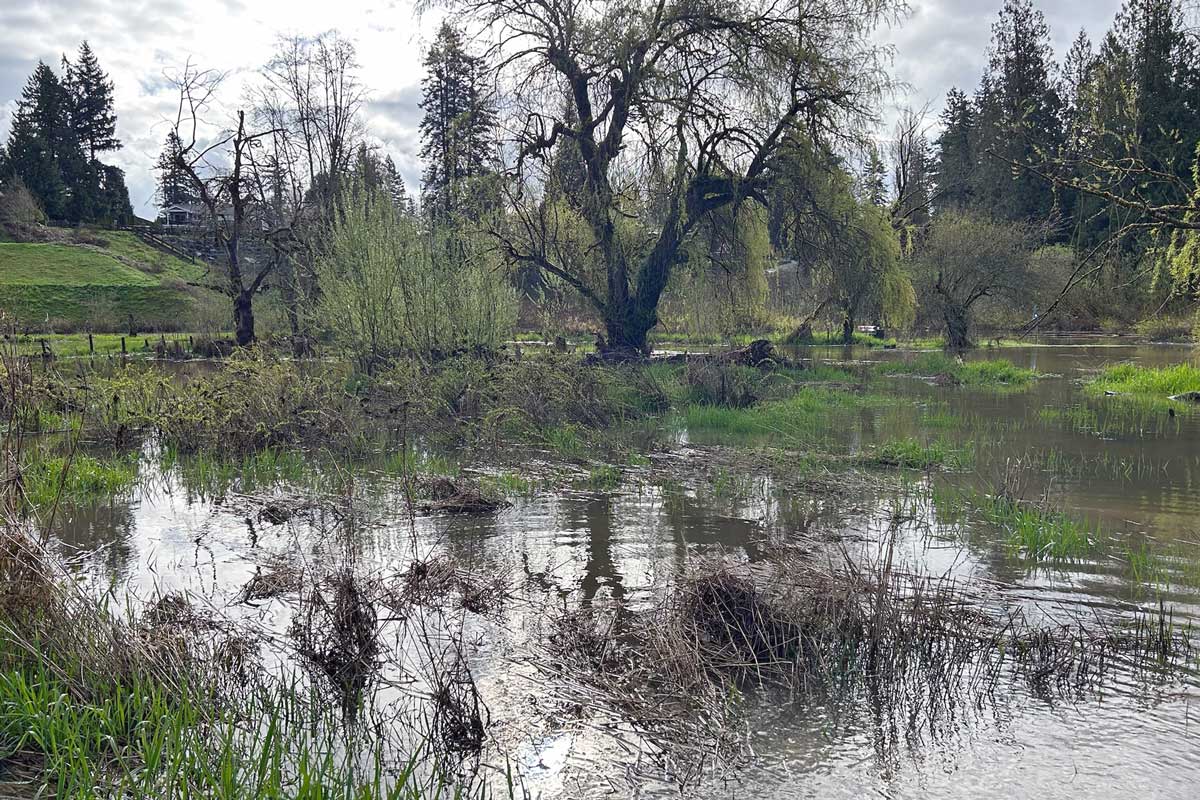
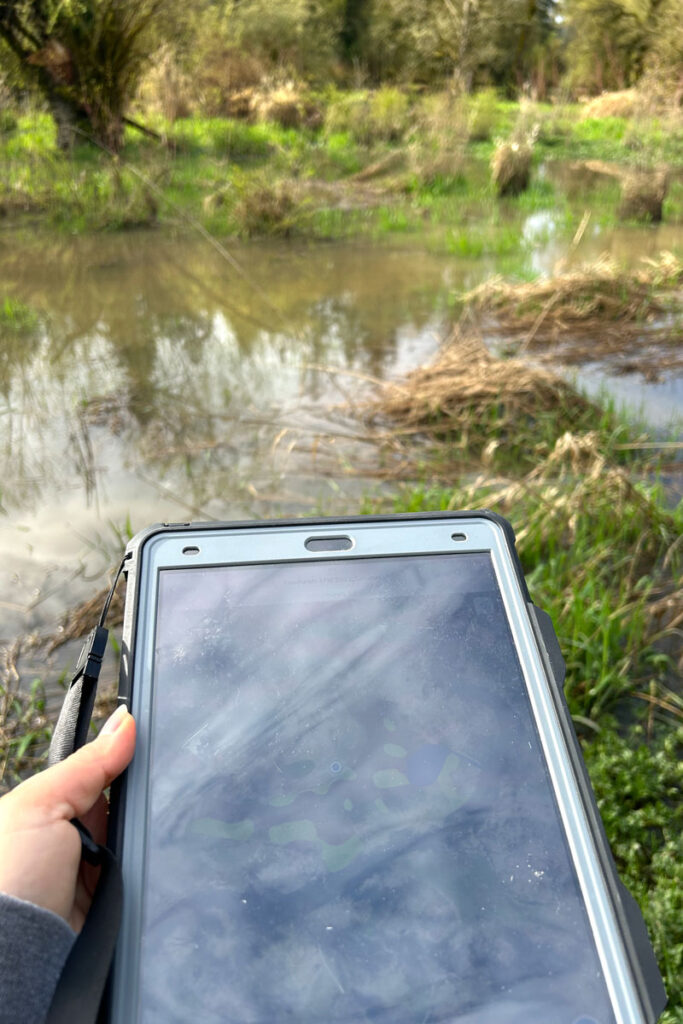
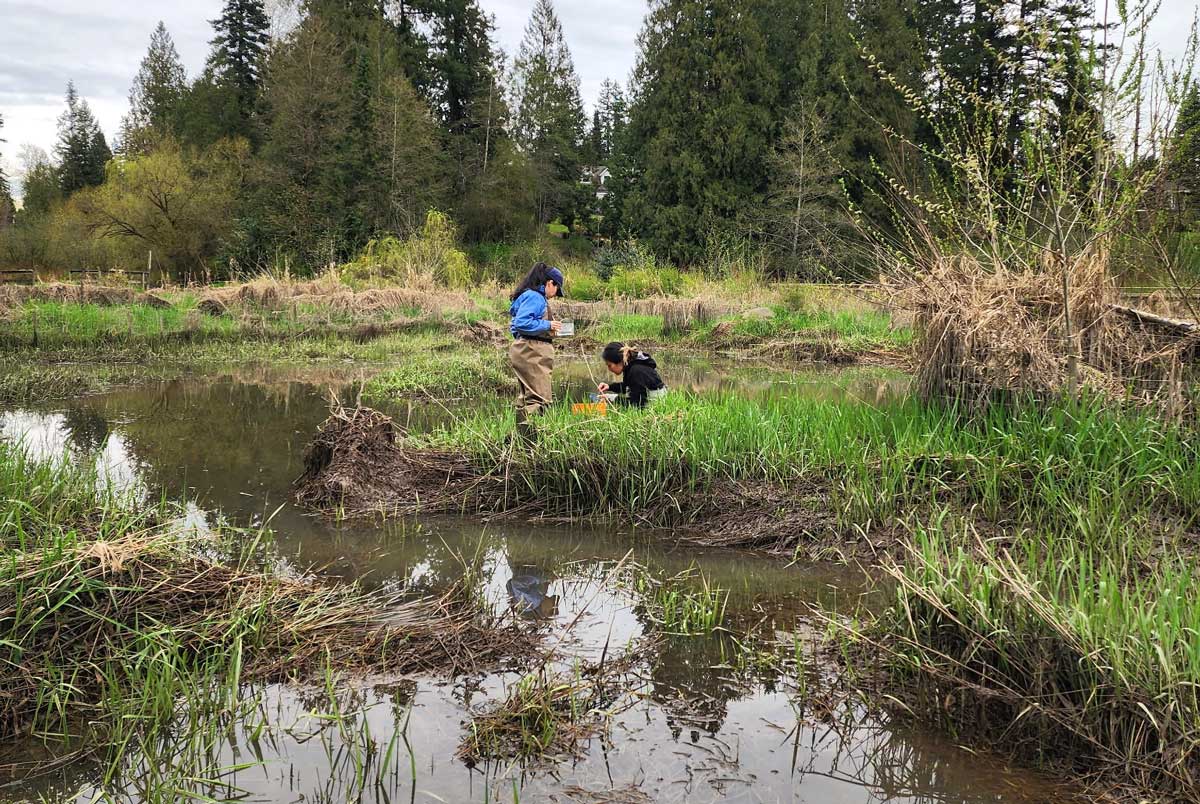
Heavy rains the day before left parts of the sc̓e:ɬxʷəy̓əm Corridor partially flooded when we arrived, but the team forged ahead. Waders were a must, with water reaching knee-deep across several sites. We trudged through these conditions to complete photo point monitoring—taking photos at set locations to document changes at each restoration site—along with water quality testing, and setting live fish traps.
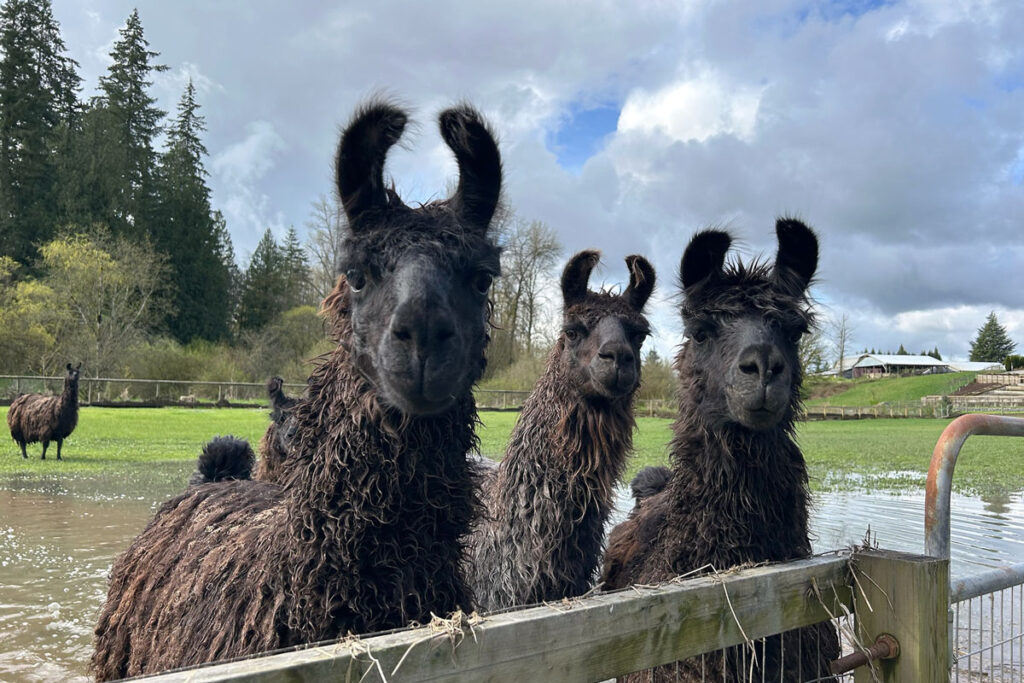
Rest assured, our work was well supervised by a few locals (the llamas 😉).
Day Two
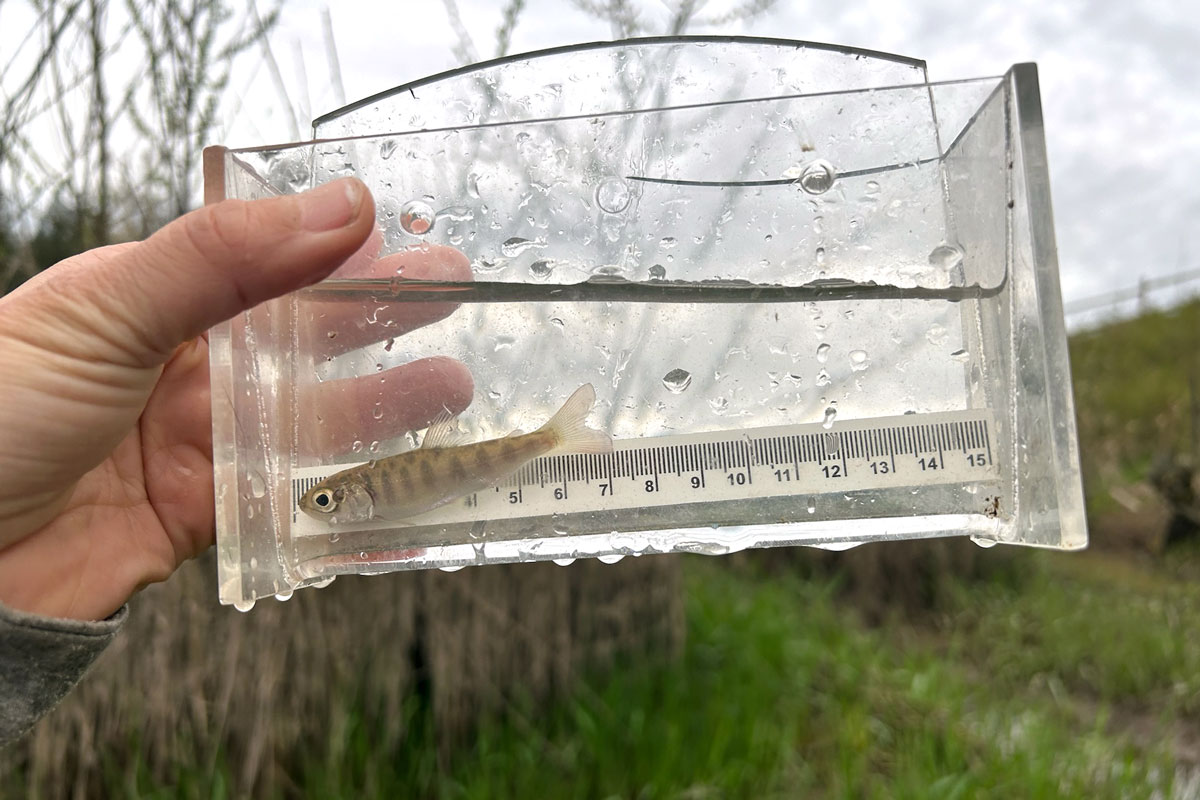
By the second day, water levels had receded, leaving behind a muddy landscape. We retrieved the fish traps to identify and count the species using the site’s off-channel habitat. Among our findings: lots of three-spine sticklebacks and a couple of coho!
We also measured the width and depth of the off-channel and installed two dissolved oxygen loggers. Dissolved oxygen levels can fluctuate with changing conditions, directly affecting how fish can use the restored habitat. Tracking this data helps us better understand how oxygen levels are shaping habitat conditions and inform future stewardship.
Final Thoughts
The high water we encountered during this round of monitoring highlighted how seasonal flooding shapes the sc̓e:ɬxʷəy̓əm Corridor. These natural processes are exactly why this restoration work matters. The plants and wetlands we’ve helped establish stood strong—absorbing water, slowing flows and creating space for the river to move through its cycles.
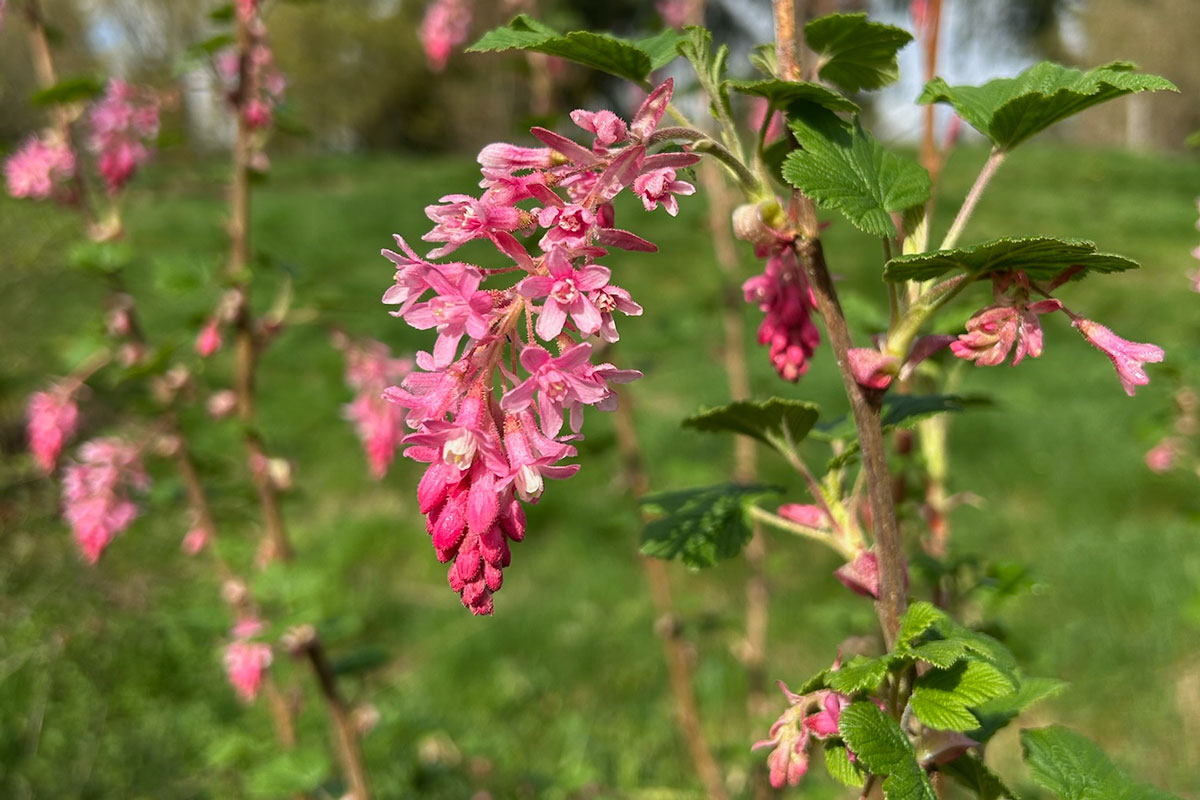
As the waters receded, the landscape felt renewed. Birds were singing, plants were soaking up the sun, and early flowers were beginning to open— small but important signs of resilience.
We’re excited to keep sharing updates as the season progresses. Stay tuned on our social media accounts for more from the Foodlands Corridor Restoration Program.